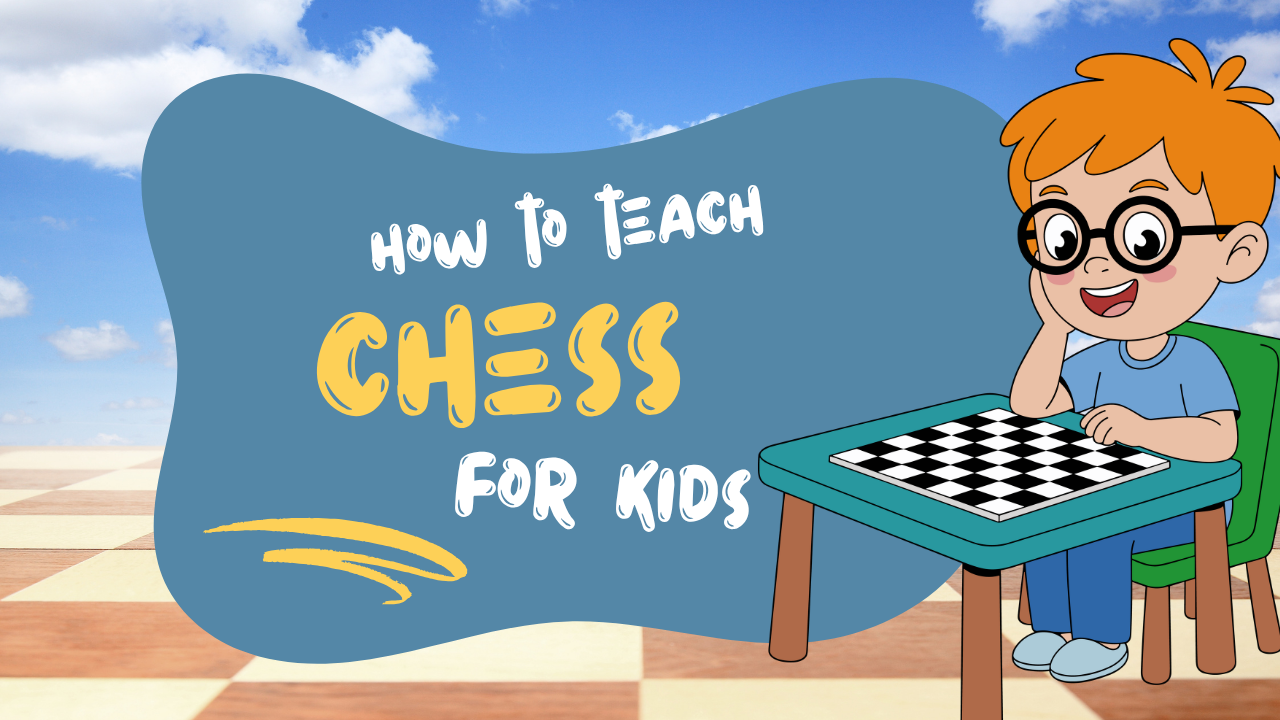
Summary: Teaching chess to a 5-year-old is easier than most parents think — when done the right way. At EduChess Academy in Trivandrum, we use a story-based method where every chess piece has a character and every tactic is told as a story. Young children don't memorise rules — they live them. This guide explains exactly how we do it, from introducing the pieces to teaching advanced tactics like the pin, and why this approach builds not just chess skills but genuine confidence in your child.
How to Teach Chess to a 5-Year-Old — The EduChess Way
Imagine your 5-year-old sitting quietly, eyes wide, moving pieces across a board — not because someone told them to study, but because they are completely lost in a story. A story they are writing one move at a time.
Sounds magical, right? It is not magic. It is just the right way to teach chess to kids.
At EduChess Academy, a chess coaching academy in Trivandrum run by FIDE National Instructor Harishankar MA, we have seen hundreds of young children fall head over heels for chess — not in spite of their age, but because of it. Young children are wired for stories, characters and imagination. So that is exactly what we give them.
Why 5-Year-Olds Are Actually Perfect for Chess
Here is a surprise: 5-year-olds often learn chess faster than older beginners.
Why? Because they have not yet decided it is "too hard." They do not carry the weight of self-doubt. They just play. They experiment. They laugh when a piece gets captured and immediately plot their revenge.
The secret to teaching chess to a 5-year-old is not dumbing it down — it is dressing it up. Give every piece a personality, every move a story, and suddenly chess is not a board game. It is an adventure.
Meet the Characters of the Chessboard
Before we touch a single rule, we introduce the pieces. Not as chess pieces — as characters. Because every great story needs a great cast.
♔ The King — "The Fat Guy"
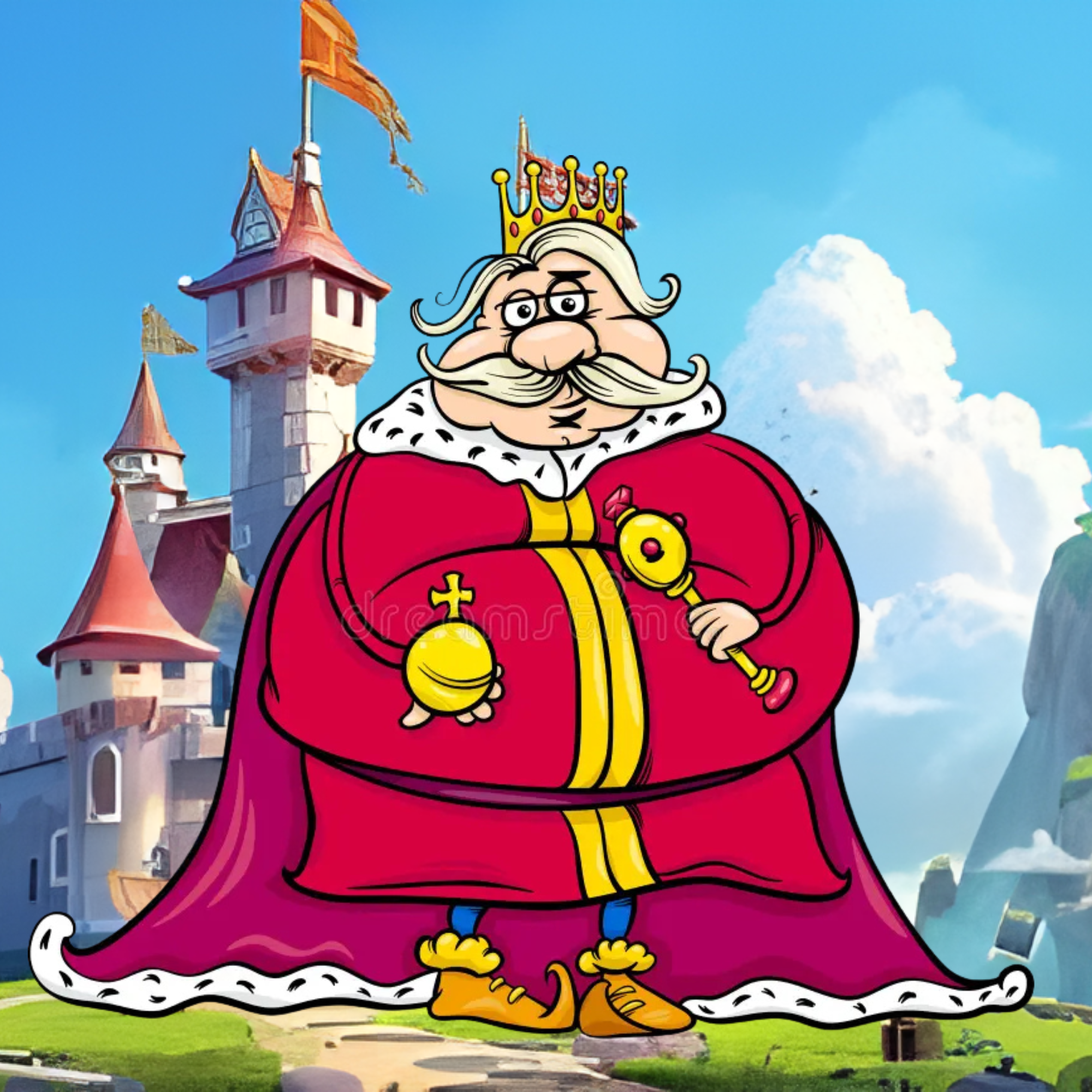
He is the most important person on the board. Without him, the whole kingdom falls. But here is the problem — he can barely move. One square at a time, waddling left, right, forward, backward. He is slow. He is heavy. He absolutely needs protection.
Kids immediately get this. "Why can't he just run?" they ask. "Because he's too fat!" someone always shouts, and the whole room bursts out laughing. And just like that, the most important rule of chess — protect your king — is learned forever.
♕ The Queen — The Superstar

The Queen is the most powerful piece on the board. She can move anywhere she wants — diagonally, horizontally, vertically, as many squares as she likes. Fast. Decisive. Dangerous.
Kids light up when they learn about the Queen. "She can go anywhere?!" Yes. Anywhere. Handle her wisely.
♗ The Bishops — "The Archers"
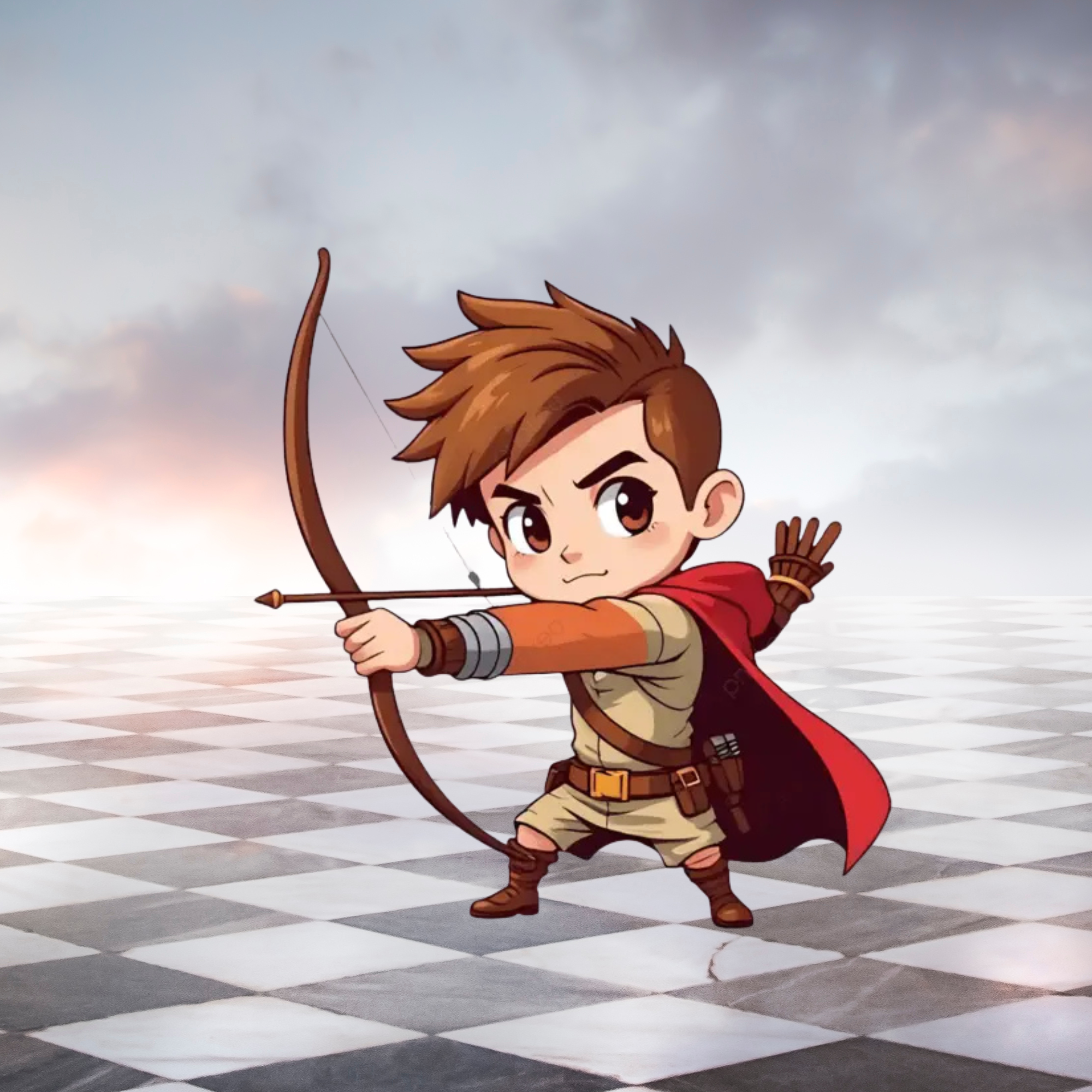
These two are the long-range attackers. They fire diagonally across the board — like archers launching arrows from a hilltop. Powerful from a distance. And here is the quirky part: each one stays on its own colour for the entire game. The light-squared archer stays on white. The dark-squared archer stays on black. That is just how archers are — they claim their territory and never leave.
♘ The Knights — "The Horses"
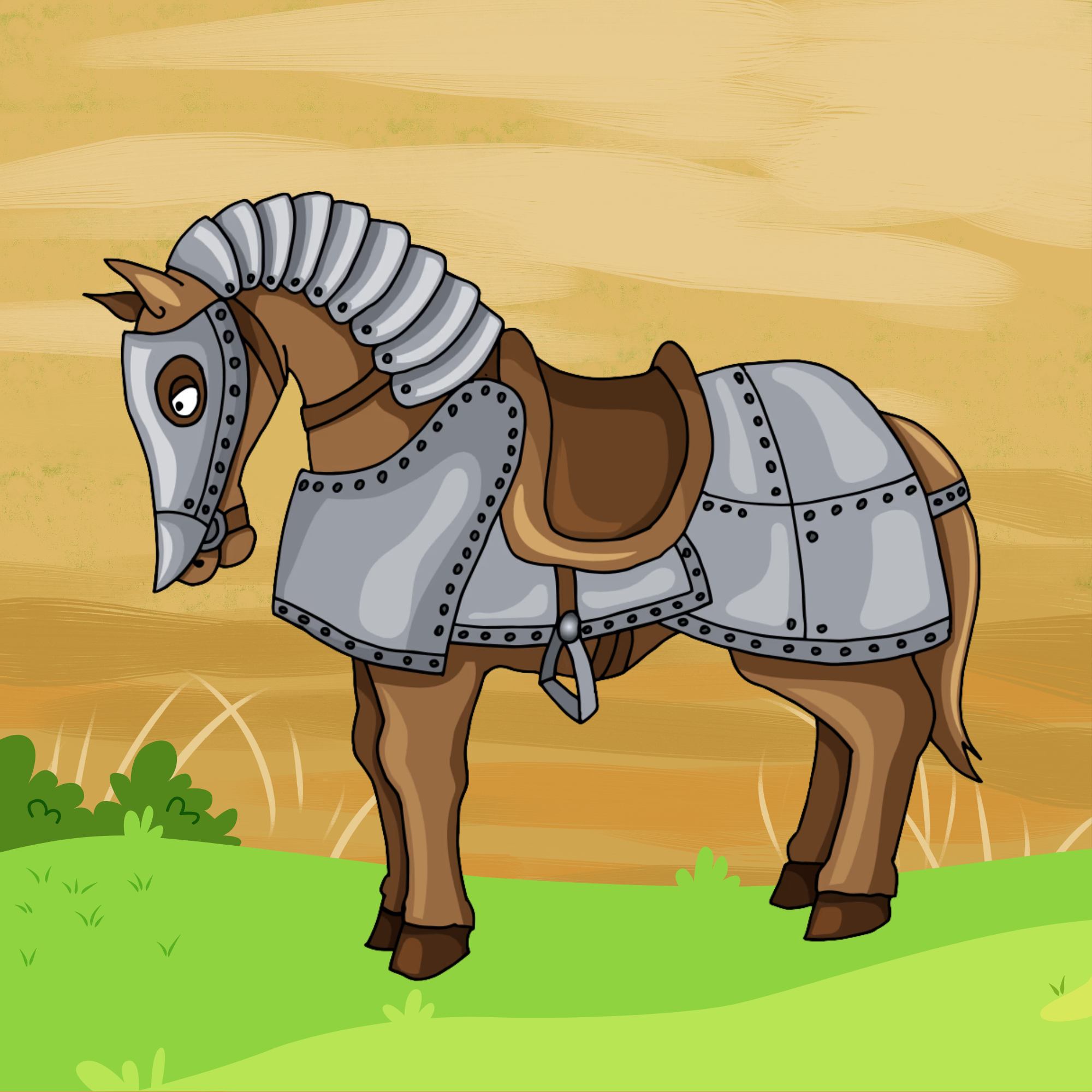
Oh, the Horses. Children adore the Horses.
They jump. They leap over other pieces like they simply do not care. They move in an L-shape — two squares one way, one square sideways. No other piece moves like them. They are sneaky, unpredictable, and absolutely every child's favourite to use (and to fear).
♖ The Rooks — "The Elephants"

Powerful. Steady. Unstoppable. The Elephants charge in straight lines — forward, backward, left, right — with all the force of a real elephant. Nothing stops an elephant on an open road. And nothing stops a Rook on an open file.
♙ The Pawns — The Little Soldiers
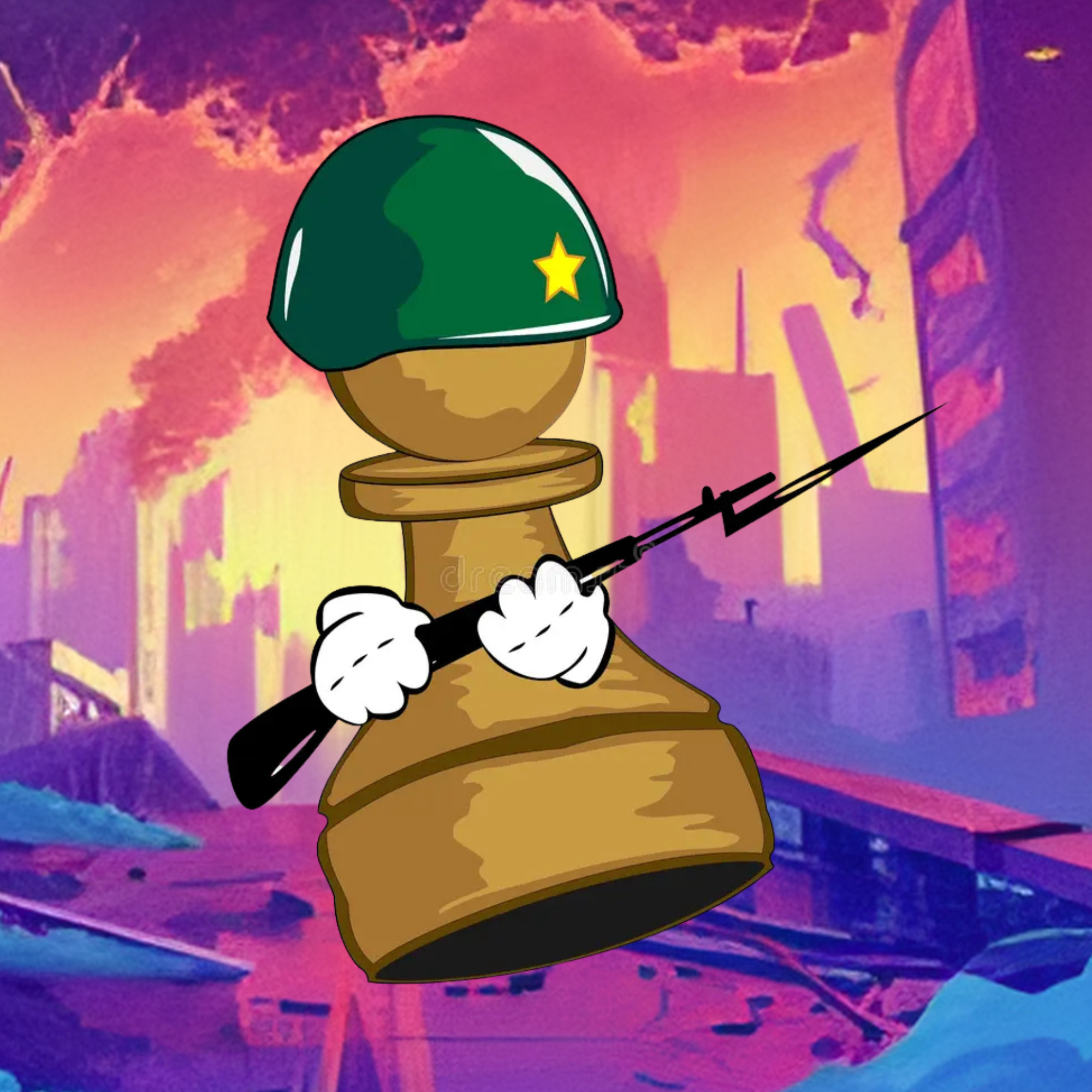
Eight of them. Small, not flashy, easy to overlook. But together they form a wall — a protective formation guarding the king. And here is the part that every child sits up straight for: if a little soldier is brave enough to march all the way to the other side of the board without getting captured, it transforms. It becomes a Queen.
"Can it become anything?" Yes. Anything except a King. This transformation — called promotion — is one of the most dramatic events in chess. And kids understand it instinctively: the little one worked hard, did not give up, and became something great.
The Pin — A Chess Tactic Told as a Story
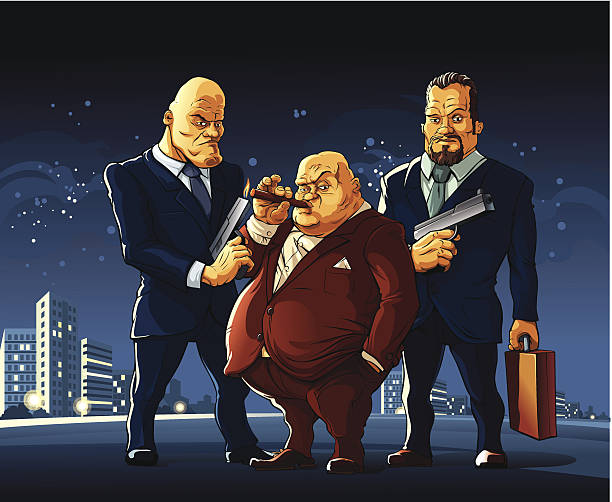
Lights down. Dramatic music. A cobblestone alley, somewhere in a city at night.
A hero steps out of the shadows, gun aimed steady. Thirty metres away stands the gangster boss — the man everyone is after. He is nervous. He knows it is over.
But wait. There is a problem.
One of the boss's men — a low-level thug — has stepped right in front of him. He is blocking the shot. The hero can see the boss clearly. He knows he is there. But he cannot fire without going through this one fellow first.
And here is the thing: the thug knows this. The moment he steps aside, the boss is gone. So he stands perfectly still. Frozen. He cannot move. He does not dare move.
This is a PIN.
-
>The hero with the gun = your attacking piece (a Bishop or Rook)
>The gangster boss = the high-value target (the King or Queen)
>The thug stuck in the middle = the pinned piece (a pawn, knight, any piece sandwiched between attacker and target)
The pinned piece can technically move — but it should not, because the moment it does, something far more valuable is exposed and lost.
When we teach this concept at EduChess, we act it out. Children play all three roles. They are the attacker, the pinned piece, the king hiding behind. They feel the tension. And once you have felt it, you never forget it.
This approach mirrors a philosophy championed by chess educator Sagar Shah: understanding tactics through stories and emotion is infinitely more powerful than memorising sequences of moves. Rules fade from memory. Stories do not.
Building Confidence, One Move at a Time
Here is something we have noticed again and again at EduChess: children who come in shy and unsure leave with a quiet confidence — not just on the board, but in how they carry themselves.
Chess coaching for children, done right, is never about rushing to the next level. Every child learns at their own pace, and we celebrate every milestone — the first time they put a king in check, the first time they see a tactic before the other player, the first time they say, "Wait… I see it."
Those moments matter. A lot.
When a child captures their first piece using a pin they just learned, their face changes. Something clicks. They look up as if to say: I did that. I figured that out. That is not just a chess win. That is a confidence win.
The story-based learning also removes something that holds many children back: fear of being wrong. When chess is taught through characters and drama, there are no “wrong answers” in the early stages. There’s only the story unfolding. Children feel free to try things, make mistakes, and try again — exactly the kind of thinking that serves them well far beyond the chessboard.
Parents often tell us — after just two or three months of chess training — that they’ve noticed changes in their child at home. More patience. Better focus during homework. A new willingness to pause and think before reacting. One parent told us her daughter had started thinking three steps ahead during arguments with her brother. We’re choosing to take that as a compliment.
Chess quietly teaches children how to think. And children who love the game don’t even notice they’re learning.
Is My Child Too Young for Chess?
If your child is 5 or older and can sit still for a bedtime story, they can learn chess — especially if it’s taught the right way.
You don’t need a prodigy. You don’t need a child who is “into strategy.” You just need a child who loves stories and characters and games. Which is to say — every child.
The first few sessions won’t look like tournament chess. They’ll look like imaginative play with a cast of very interesting characters. The Fat King trying not to get caught. The Horses jumping every which way. The little soldiers marching bravely forward. That’s fine. That’s perfect, actually. That’s where the love of the game begins.
Start the Adventure at EduChess
If you’re in Trivandrum and you’ve been wondering whether your child is ready for chess — they are. And we’d love to show you.
EduChess Academy offers a free trial class for young beginners. Come in, let your child meet the characters, sit in on the story, and see how they respond. No pressure, no commitment — just a fun first move.
Because every grandmaster was once a 5-year-old who heard a story about a Fat King and a very powerful Queen.
Your child’s story starts here. 🏆
👉 Book a free trial class at EduChess Academy
