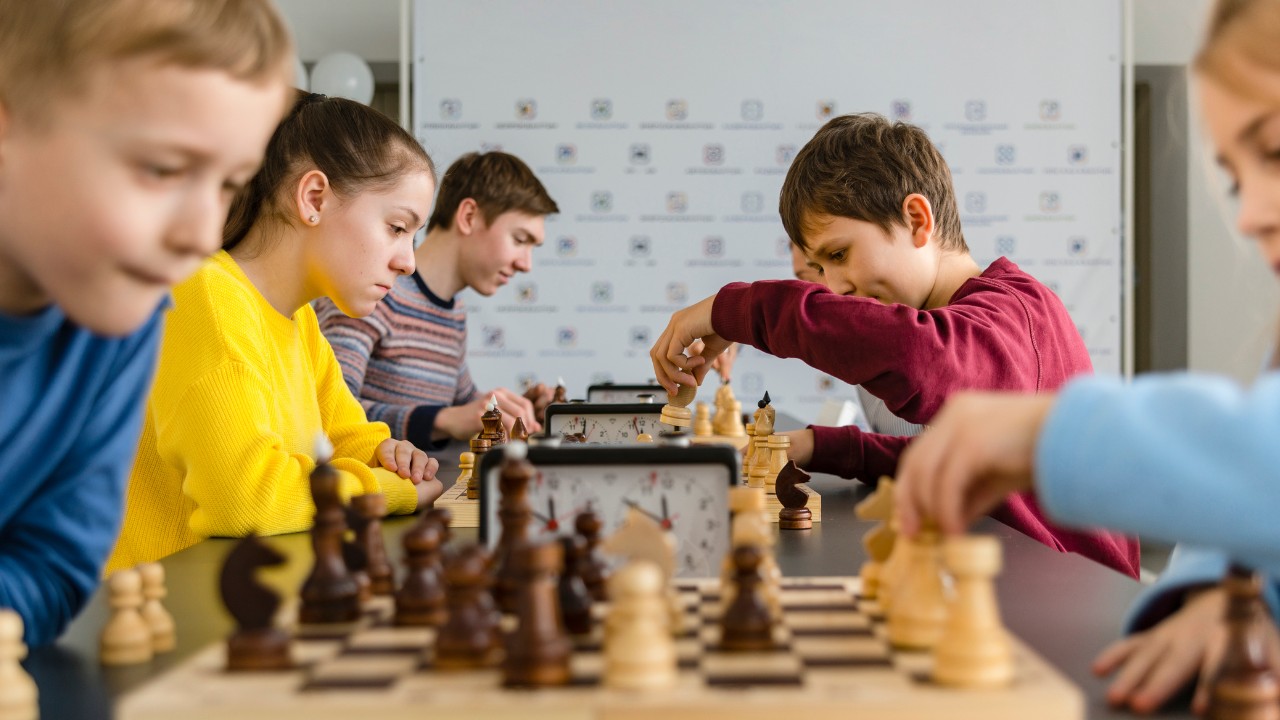
You know that moment when your child beats you at chess for the first time? That mix of pride and mild embarrassment? I remember it clearly—my 7-year-old looked up with those bright eyes and said, "Can I play against other kids now?" And just like that, I found myself tumbling down the rabbit hole of kids chess tournaments.
Here's the thing: finding local kids chess tournaments in India isn't rocket science, but it's not exactly intuitive either. There's no single magical app that shows you every scholastic chess tournament happening in your neighborhood (though honestly, someone should build that). Instead, it's a bit of detective work, some community networking, and knowing where to look.
But don't worry. I've done the legwork, talked to tournament organizers, chatted with other parents at chess clubs, and compiled everything you need to know about navigating the world of children chess competition in India. Whether you're in Kerala, Mumbai, or anywhere in between, this guide will help you find the perfect youth chess events for your budding grandmaster.
Why Local Kids Chess Tournaments Matter (More Than You Think)
Before we dive into the how-to, let's talk about the why. Because honestly, when I first heard about junior chess tournaments, I thought, "Isn't that a bit intense for a kid?"
Turns out, I was completely wrong.
Local kids chess tournaments are like training wheels for life. They teach patience, sportsmanship, critical thinking, and how to lose gracefully—skills that don't exactly come from YouTube videos or video games. Plus, there's something magical about watching your child shake hands with an opponent, sit down at that board, and enter their own little world of strategy.
And here's the kicker: India has an incredibly vibrant chess scene right now. With the rise of players like Praggnanandhaa, Gukesh, and Vaishali, chess clubs are popping up everywhere. This means more kids chess tournaments, more beginner-friendly options, and more opportunities for your child to grow.
Where to Find Kids Chess Tournaments
📍 Official Tournament Databases
Chess-Results.com – Your One-Stop Tournament Finder
This is the global database where tournament organizers upload everything—pairings, standings, results. Here's how to use it step-by-step:
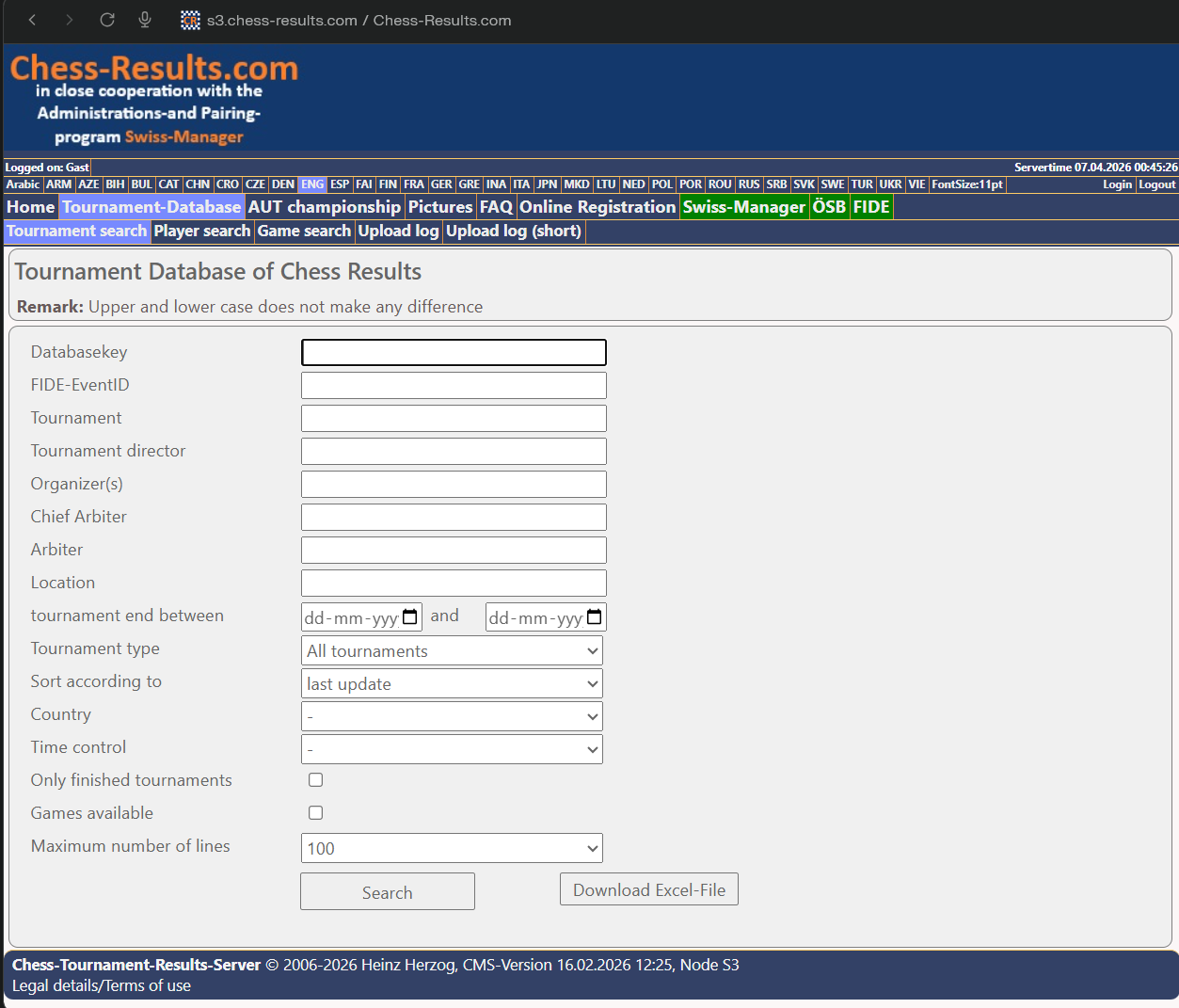
- Open your browser and go to chess-results.com
- Scroll down on the homepage to find “Tournament Database” or “More Tournaments”
- Select your country from the dropdown (India)
- Choose your state/region (Kerala, Maharashtra, Tamil Nadu, etc.)
- Set date range – Pick “Upcoming” to see future tournaments or choose specific dates
- Click Search – You'll see a table with all matching tournaments
- Click on tournament name – Opens full details with location, contact, registration links, and even live pairings
Why Chess-Results is brilliant: Every official tournament in India gets listed here. You can see who's playing, check standings in real-time, and even download games afterward. It's like Google for chess tournaments.
🏛️ Official Chess Federation Sites
AICF (All India Chess Federation) – The National Authority
The official hub for AICF kids chess tournaments India. Here's how to navigate it:
- Go to aicf.in
- Click on “All Events” or “Tournament Calendar”
- You'll see national qualifiers, state championships, FIDE-rated events
- Each listing includes dates, city, age categories, and downloadable brochures
Yes, the website can feel a bit clunky (government sites, am I right?), but it's the most authoritative source for major tournaments.
State Chess Associations – Your Local Hub
Every Indian state has its own chess association. These are goldmines for local tournaments:
| State | Website |
|---|---|
| Kerala | keralachessassociation.com |
| Tamil Nadu | tnsca.org |
| Maharashtra | maharashtra-chess.com |
| Karnataka | karnatakachess.org |
Pro tip: Get on their mailing lists! They send email notifications about upcoming scholastic chess tournaments weeks in advance.
💻 Online Registration Platforms
These modern platforms make finding AND registering for tournaments super easy:
ChessEvents.co.in
- State-wise tournament listings (Kerala page, Maharashtra page, etc.)
- Shows prize fund, venue, dates
- Direct Google Form registration links
- Updated weekly with new events
BookMyChess.com
- Pan-India tournament platform
- Filter by city, age group, tournament type
- Online registration and payment
- Automatic email confirmations
ChessFee.com
- Entry fee payment portal
- Upcoming events with one-click registration
- Secure UPI/card payments
- Instant receipt generation
📰 News & Information Sites
ChessBase India – The Chess News Hub
If you're not following ChessBase India, start now!
- Go to chessbase.in/events
- Event calendar lists everything from blitz to championships
- Particularly good at highlighting Kerala kids chess tournaments and South India events
- Articles often include registration deadlines and organizer contacts
Why ChessBase India rocks: They don't just list tournaments—they cover them with photos, game analysis, and interviews. Your child might see themselves featured after a good performance!
🏫 Local Resources (The Secret Weapons)
Chess Clubs and Academies
This is honestly the best-kept secret. That neighborhood chess club your child attends? They know everything.
What clubs provide:
- Early tournament announcements (sometimes before public posting)
- Insider info on beginner-friendly events
- Carpool coordination with other families
- Practice tournaments that aren't publicly advertised
- Direct connections to tournament organizers
EduChess Academy, for example, not only hosts weekly Saturday tournaments but also shares announcements about local Kerala events and helps parents navigate registration.
Schools
Many schools host inter-school tournaments or participate in district-level competitions.
What to do:
- Check with your child's sports coordinator
- Ask about annual school chess championships
- Inquire about district/state school tournaments
- Some schools have chess clubs with tournament calendars
📱 Social Media & Community Groups
WhatsApp Groups – The Parent Network
Join these and thank me later:
- ✓ EduChess Academy WhatsApp Group – Weekly tournament reminders, registration links, parent community
- ✓ Your local chess club's parent group
- ✓ School chess team groups
- ✓ City-specific chess parent communities
Parents share:
- Tournament announcements
- Carpooling arrangements
- Hotel recommendations for outstation events
- Registration deadline reminders
- Tips and experiences
Facebook Groups
Search for:
- “Chess Parents India”
- “[Your City] Chess Community”
- “AICF Tournament Updates”
- State-specific groups like “Kerala Chess Parents”
Telegram Channels
- ChessBase India Tournaments
- Your state chess association channel
- AICF official announcements
- Tournament organizer channels
🌐 Quick Reference: Tournament-Finding Toolkit
| Resource | Best For |
|---|---|
| Chess-Results | Complete tournament database |
| AICF | National events, official calendar |
| Kerala Chess Assoc. | Kerala state tournaments |
| ChessBase India | News + event listings |
| ChessEvents | State-wise easy registration |
| BookMyChess | Online registration platform |
| Lichess Tournaments | Free online tournaments 24/7 |
🎯 Real-World Monthly Workflow
Monday morning:
- Check Chess-Results.com for Kerala + upcoming dates
- Scan AICF website's “All Events” page
- Scroll ChessBase India's event calendar
Throughout the week:
- WhatsApp groups notify me of new tournaments
- EduChess Academy group sends Friday reminders for Saturday 8 PM tournament
When I find something interesting:
- Click tournament name on Chess-Results for full details
- Check if it's beginner-friendly (unrated/novice section)
- Look for Google Form registration or BookMyChess link
- Add to my chess calendar with registration deadline reminder
Takes me 15 minutes a week, and we never miss a good tournament.
Registration, Ratings and Memberships
3. Registration: Easier Than You Think
How do I register my child for a local kids chess tournament?
Remember filling out school admission forms? Tournament registration is way simpler. Here's the typical process:
- Find the Tournament Announcement: Usually includes dates, venue, age categories, and registration deadline
- Check Eligibility Requirements: Some need ratings, most don't for beginners
- Fill Out the Online Form: Most tournaments use Google Forms or dedicated platforms
- Pay the Entry Fee: Usually via UPI, bank transfer, or at the venue
- Receive Confirmation: You'll get an email or WhatsApp with details
Registration for Online Tournaments
For platforms like Lichess (where EduChess Academy hosts their Saturday 8 PM IST tournaments), it's even simpler:
- Create a free Lichess account for your child
- Join the tournament link (usually shared in WhatsApp groups or academy announcements)
- Click “Join Tournament” 10 minutes before start time
That's it—no forms, no fees, just play!
The entire process takes maybe 15 minutes for traditional tournaments, and literally 30 seconds for online events. Seriously.
For school kids chess tournament registration, your child's school might handle everything—just give consent and pack their lunch.
Documents you might need:
- Recent photograph of your child
- Birth certificate (for age verification)
- School ID proof
- FIDE ID or AICF membership number (if they have one)
Most local tournaments are pretty relaxed about documentation for beginners. The tournament director wants kids to play, not deal with bureaucracy.
4. Understanding Ratings and Memberships
Do kids need a USCF or FIDE rating/membership for tournaments?
Short answer: Usually not for local events.
Longer answer: It depends on the tournament level.
For beginners: Free kids chess tournaments local and most scholastic tournaments don't require any rating. They're specifically designed for kids chess tournaments for beginners who are just starting out.
For intermediate players: Some tournaments are FIDE-rated, meaning games count toward an international rating. To participate, your child needs a FIDE ID (costs around ₹2000-3000, valid for life).
For advanced players: National-level events might require AICF membership (around ₹500-1000 annually).
Think of ratings like belt colors in karate. Beginners don't need them, but as your child progresses, they become important milestones.
Getting a FIDE ID in India
- Visit the AICF website
- Fill out the application form
- Upload documents (photo, birth certificate, ID proof)
- Pay the fee
- Receive your FIDE ID within 2–4 weeks
Is it worth it? If your child is serious about chess and playing regularly, absolutely. FIDE rated kids chess tournaments offer better competition and the thrill of seeing their name on international rating lists.
5. Rules, Time Controls, and What to Expect
Standard Rules
Let's demystify this. Chess tournament rules sound complicated but they're quite logical once you understand them.
- Touch-move rule: If you touch a piece, you must move it (teaches kids to think before acting)
- No talking during games
- Players must record their moves (for longer time controls)
- Mobile phones strictly prohibited
- Handshake before and after each game
Time Controls Explained
| Format | Time Per Player | Best For |
|---|---|---|
| Blitz | 3–5 minutes | Quick thinking, experienced players |
| Rapid | 10–25 minutes | Most common format |
| Classical | 60+ minutes | Serious competition |
For under 8 kids chess tournament events, you'll mostly see rapid or even slower controls. Organizers understand that little fingers need time to move pieces and think through positions.
What Happens During a Game
- Kids find their pairing on the board (organizers post who plays whom)
- They sit at the designated table
- White starts the clock after making the first move
- Players alternate moves and hit the clock
- Game ends when someone wins, draws, or time runs out
- Both players sign the scoresheet
I won't lie—watching your child in their first tournament is nerve-wracking. You'll want to help, to whisper hints, to comfort them when they make a blunder. Don't. Part of the learning is figuring it out themselves.
6. Duration and What to Pack
Tournament Duration
- One-day tournaments: 4–6 hours (usually 5–6 rounds)
- Weekend tournaments: Saturday and Sunday, 3–4 rounds per day
- Multi-day championships: Can stretch to 5–9 days for nationals
Plan accordingly. One-day events are perfect for beginners—enough to get the experience without overwhelming them.
Essential Items to Bring
- ✓ Water bottle and snacks: Chess is mentally exhausting. Pack nuts, fruits, chocolate (quick energy)
- ✓ Notepad and pen: For recording games (if required)
- ✓ Sweater or jacket: Tournament halls can be cold with AC
- ✓ Tournament registration confirmation: Usually a printout or WhatsApp message
- ✓ Comfortable clothes: Your child will be sitting for hours
- ✓ A book or quiet activity: For waiting between rounds
- ✓ Extra cash: For emergency meals or refreshments
What NOT to Bring
- ✗ Mobile phones (most tournaments ban them)
- ✗ Electronic devices
- ✗ Chess sets or study materials (can't use during tournament)
7. The Parent Question Everyone Asks
Are parents allowed to watch or stay during kids chess tournaments?
This varies, and it's a sensitive topic.
Most local tournaments: Parents can watch from a designated area, usually behind a barrier or rope. You can't sit next to your child or in the playing hall.
Strict tournaments: Parents might be restricted to a separate waiting area with live boards showing games electronically.
Relaxed school events: Parents sometimes allowed closer, especially for very young kids.
Why the restrictions? Chess requires absolute silence and concentration. One anxious parent hovering can distract not just their child but the entire room.
My advice? Bring a book. Maybe sit in the nearby cafe. Trust your child to handle it. The first time I left my daughter alone in a tournament hall, I was more nervous than she was. She emerged after three hours, slightly tired but beaming, having won two games and made a friend.
That independence? Priceless.
8. Equipment Essentials
What equipment does my child need for a chess tournament (board, clock)?
Great question, because this confuses a lot of first-time tournament parents.
What organizers provide:
- Chess boards
- Chess pieces (standard tournament Staunton pattern)
- Chess clocks (for each board)
- Tables and chairs
What your child might need to bring:
Mostly nothing!
Seriously, for scholastic chess tournaments, especially at the local level, everything is provided. You just show up.
However, some tournaments (particularly rapid weekend events with limited equipment) might ask players to bring sets. The tournament announcement will specify this clearly.
If you want to invest in tournament gear:
- The DGT Timex Chess Clock (~$70/₹5000) is perfect for practice at home. It's the same clock used in many tournaments, so your child gets familiar with the beeping and time formats.
- For a portable set, the Quiver Chess Set Combination (~$60/₹4500) is brilliant. Weighted pieces, vinyl roll-up board, and a quiver-style bag that kids love carrying.
- Indian parents on a budget? The Chess Pa Beginner Combo from ChessBase India (₹1600) is tournament-ready and includes a beginner's book.
But honestly? For your first few tournaments, don't buy anything. See if your child enjoys competitive play before investing.
Getting the Right Equipment
You might be wondering about chess boards, clocks, and scoresheets for tournaments. Here's the good news: you don't need to hunt around multiple stores or spend hours researching.
EduChess Academy has you covered. They provide tournament-quality chess boards and chess scoresheets for students preparing for competitions. If your child needs proper equipment for practice or tournaments, just contact the academy directly—they'll sort you out with everything needed.
It's one less thing to worry about as a parent, trust me.
Online Play, Culture and Taking the Leap
12. Online Chess as Training Ground
Can kids play online chess tournaments as practice for locals?
Oh, absolutely. In fact, I'd argue it's almost essential.
Online chess tournaments free your child from the intimidation of face-to-face competition while building tournament stamina. They learn to handle time pressure, think under stress, and manage wins and losses—all from the comfort of home.
Best Platforms for Kids
Lichess.org: Completely free, hosts hundreds of tournaments daily. The “Swiss” format mirrors over-the-board tournaments perfectly. This is where EduChess Academy hosts their Saturday 8 PM IST weekly tournaments—a fantastic starting point for tournament newbies. Lichess has a clean interface, no ads, and is genuinely kid-friendly.
Why Lichess tournaments are perfect for kids:
- Zero cost, unlimited play
- Tournaments run 24/7 at various time controls
- Rating system helps pair similar-strength opponents
- Can watch games afterwards to learn
- Community is generally respectful and supportive
- The EduChess Saturday events create a consistent routine
ChessKid.com (Premium Membership ~$49/year): Specifically designed for children, with age-appropriate opponents, fun graphics, and regular online tournaments. The annual membership includes unlimited tournament entries.
Chess.com: More serious platform, excellent for older kids (10+) who want to test themselves.
Online vs. Over-the-Board: Key Differences
| Aspect | Online | Over-the-Board |
|---|---|---|
| Convenience | Play from anywhere | Must travel to venue |
| Social aspect | Limited interaction | Meet other players |
| Tournament feel | Casual atmosphere | Formal, nervous energy |
| Time controls | Usually faster | Varied |
| Distractions | Home environment chaos | Controlled silence |
I recommend a 70–30 split: 70% over-the-board tournaments for the full experience, 30% online for convenient practice.
The online tournament advantage: Your child can play in tournaments worldwide. A kid in Kerala can compete against players in Moscow, Delhi, or New York. That exposure is incredible for development.
Special Considerations for Indian Parents
Cultural Aspects
Indian chess tournaments have a beautiful family atmosphere. You'll see grandparents, siblings, parents all supporting their young players. It's community-oriented, supportive, and generally very friendly.
Don't be surprised if:
- Tournaments run late (IST strikes again)
- Lunch breaks extend longer than scheduled
- Parents share snacks with other kids
- There's chai available somewhere
- Someone's mom offers your child a homemade laddoo
Travel Logistics
For out-of-city tournaments:
- Book accommodation near the venue
- Check if organizers have tie-ups with hotels (often discounted rates)
- Plan for local transport—Uber/Ola reliability
- Pack familiar comfort food (tournament venue food can be unpredictable)
Language Considerations
Most tournaments in India use English for instructions and rules, but local languages are spoken casually. If your child doesn't speak the regional language, reassure them—chess is a universal language. They'll communicate fine through the pieces.
Season-Specific Tips
Summer tournaments (April–June):
- Tournaments start early to avoid afternoon heat
- Pack sunscreen if outdoors
- Light cotton clothes
- Plenty of water
Monsoon events (July–September):
- Carry umbrella and extra clothes
- Plan for traffic delays
- Check if venue is accessible during heavy rains
Winter championships (December–February):
- Layers for AC halls
- Warm clothes for travel
- Hot drinks for breaks
Red Flags: When to Skip a Tournament
Not all tournaments are created equal. Here are warning signs:
- 🚩 No clear organizer information: Legitimate tournaments list organizers, contact numbers, and affiliations.
- 🚩 Suspiciously high prize money for local events: Could attract aggressive adults or be poorly managed.
- 🚩 No safety protocols: Tournaments should have first aid, clear emergency procedures.
- 🚩 Vague rules or time controls: Professional tournaments have clear prospectuses.
- 🚩 Bad reviews from other parents: Check social media groups for feedback.
- 🚩 Too far/too long for a first tournament: Start local and short.
Trust your instincts. If something feels off, it probably is.
The Bigger Picture: Beyond Trophies
Here's what I've learned after two years of accompanying my child to tournaments: the trophies collect dust, but the lessons stay forever.
Chess tournaments teach kids:
- Time management: Under pressure, every second counts
- Emotional regulation: Staying calm when losing
- Strategic thinking: Planning several moves ahead
- Resilience: Coming back after losses
- Humility: Even the best players lose
- Confidence: Trusting their abilities
- Social skills: Interacting with competitors and officials
- Independence: Managing themselves in formal settings
I've watched my daughter grow from a shy 6‑year‑old who couldn't make eye contact during handshakes to a confident 8‑year‑old who analyzes her games, congratulates opponents genuinely, and handles pressure with grace.
That's worth more than any trophy.
Taking the Leap
So, are you ready to dive into the world of kids chess tournaments? Here's your action plan:
This Week:
- Join your state chess association's WhatsApp/Telegram group
- Follow ChessBase India on social media
- Ask your child if they're interested (enthusiasm is crucial!)
- Research local chess clubs and academies
- Create a free Lichess account and join this Saturday's 8 PM IST EduChess tournament
- Join EduChess Academy WhatsApp group
This Month:
- Register for a beginner-friendly tournament (online or physical)
- Practice time controls at home if you have a clock
- Teach basic tournament etiquette
- Connect with other chess parents in your area
- Make Saturday 8 PM online tournaments a weekly habit
Ongoing:
- Build a tournament calendar
- Balance competition with fun casual games
- Celebrate effort and learning, not just wins
- Let your child set the pace—this should be enjoyable
Final Thoughts
Finding local kids chess tournaments in India is easier than you think. With the country's growing chess infrastructure, opportunities are everywhere—from school-based scholastic chess tournaments to state championships to AICF kids chess tournaments India that could launch serious competitive careers.
But here's my real advice, parent to parent: Don't overthink it.
You don't need the perfect chess set, the most expensive coaching, or a detailed five-year plan. You need a curious kid, a local tournament announcement, and the willingness to spend a Saturday watching them play.
That first tournament will be nerve-wracking. You'll second-guess the decision. You'll worry they're not ready, that they'll be disappointed, that they'll struggle.
And maybe they will struggle. Maybe they'll lose every game.
But they'll also shake hands with strangers, think through problems independently, and learn that losing isn't failure—it's just information for next time.
So go ahead. Find that beginner kids chess tournament. Fill out that registration form. Pack those snacks.
Your child's chess journey is waiting.
Ready to find your first tournament? Start by checking the AICF calendar and your state chess association website today. Join the EduChess Academy WhatsApp group to get notified about free Saturday tournaments. And when your child brings home that first participation certificate (or trophy!), frame it. Not because it's a big achievement, but because it represents something bigger: courage, effort, and the beginning of a beautiful strategic adventure.
Need chess boards or scoresheets for practice? Contact EduChess Academy directly—they have tournament-quality equipment available for students.
Checkmate your doubts. Make the move.
Have questions about kids chess tournaments in your area? Drop a comment below! Let's build a supportive community of chess parents navigating this exciting world together.
